



Trading in financial markets has become a global activity that includes many types of assets, techniques, and levels of risk. To make smart financial decisions and establish a diverse portfolio, you need to know about the many markets that traders and investors might use. Each market offers its set of chances based on economic factors, geopolitical events, and technological progress. These financial markets for trade include equities and bonds, foreign exchange, commodities, and digital assets. This tutorial goes over the most important markets to trade in, with in-depth contextual information and semantic SEO integration to make it useful for both new and seasoned traders.
Stock Market Trading Essentials
The stock market is the most important part of trading and investing nowadays. Companies that are open to the public sell shares to get money. Investors get a piece of the company and the chance to make money through capital gains and dividends. Exchanges like the New York Stock Exchange (NYSE), NASDAQ, London Stock Exchange (LSE), and Tokyo Stock Exchange help billions of dollars worth of trades happen every day. The S&P 500 and the Dow Jones Industrial Average are two examples of indicators that typically show how people feel about the economy as a whole. financial markets to trade.
There are many ways for stock investors to make money, such as growth investment, value investing, dividend income, and momentum trading. Warren Buffett and Peter Lynch are two well-known investors who have changed how individual and institutional traders think about investing in the stock market for the long term. Tools like fundamental research, earnings reports, and price-to-earnings ratios help you make better decisions. Platforms like Bloomberg Terminal and TradingView let you keep an eye on trends and make trades quickly.
Forex Market Trading Explained
The foreign currency (FX) market is the biggest and most active financial market in the world, with more than $6 trillion traded every day. It makes it easier to trade currencies, including the U.S. dollar (USD), the euro (EUR), the British pound (GBP), and the Japanese yen (JPY). Forex trading is open 24 hours a day in trading centres across the world, which makes it very easy and flexible for traders.
 Central bank policies, macroeconomic indices, and geopolitical events have a big impact on how the FX markets move. Changes in currency prices can be big when institutions like the Federal Reserve, the European Central Bank, and the Bank of Japan make decisions. Traders commonly use technical indicators like moving averages and RSIs, as well as economic calendars that keep track of things like inflation statistics, job data, and interest rate decisions. Forex trading can be rewarding but also risky because it has a lot of leverage. This means that you need to be very careful with your money and follow tight rules when you trade. v
Commodities Market Trading Overview
You can buy raw materials like crude oil, natural gas, gold, silver, maize, and soybeans on the commodities markets. These financial markets for trade are important for determining the cost of physical items that drive the world economy. Futures contracts on platforms like the Chicago Mercantile Exchange (CME) or Intercontinental Exchange (ICE) are where most people trade commodities. People who buy and sell these contracts use them to protect themselves from price changes, while those who speculate on them try to make money off of them.
Changes in supply and demand, geopolitical tensions, and OPEC decisions can all have an effect on energy commodities like oil. People typically see precious metals like gold as secure investments when prices are going up or the economy is unstable. The prices of agricultural goods change depending on the weather, harvest estimates, and trends in global consumption. Commodity ETFs and mutual funds make it easier for retail traders who may not want to deal with futures contracts directly.
Bond Market Trading Basics
Governments and businesses borrow money in the bond market, often called the fixed income market, to pay for operations or infrastructure. For investors who want steady income with less risk, U.S. Treasury bonds, German Bunds, and municipal bonds are all good options. Bonds are a great way to protect your money and make money because they pay interest over time and refund the principal when they mature.
 Changes in interest rates by central banks have a direct effect on bond yields and prices. For example, bond prices usually go down as rates go up. To make savvy bond investments, you need to know about the yield curve, credit ratings, and inflation forecasts. Using tools like yield calculators and bond ladders can help you deal with duration and reinvestment issues. If traders want additional liquidity, they can buy bond ETFs like the iShares Core U.S. Aggregate Bond ETF (AGG) or the Vanguard Total Bond Market ETF (BND).
Cryptocurrency Market Trading Guide
Cryptocurrencies have changed the way we think about money and digital assets. Bitcoin, Ethereum, and other altcoins like Solana and Chainlink are decentralised and based on blockchain technology, making them different from regular money. Crypto financial markets to trade are open 24 hours a day, 7 days a week, which means there are always chances and hazards. Changes in price are caused by things like how many people are using the network, how hard it is to mine, new rules, and how investors feel.
Coinbase, Binance, and Kraken are examples of crypto exchanges that make it easy to get a wide range of digital assets. Blockchain analytics services like Glassnode and CoinMetrics can tell you about the health of the network, how much activity is going on in wallets, and how much trading is going on. Many traders use these tools to carry out on- or off-chain techniques like liquidity provisioning, staking, and DeFi yield farming. Despite its high volatility, the cryptocurrency market attracts investors because they perceive opportunities for quick profits and are interested in new technology.
Derivatives Market Trading Explained
Derivatives are financial contracts whose value comes from things like stocks, bonds, currencies, or commodities. Futures, options, and swaps are all common types of derivatives. People use these tools to protect themselves from danger, guess what prices will be in the future, or get exposure with less money. For instance, an investor might use options to safeguard a stock portfolio from losing value or bet on how volatile the market will be.
 To understand derivatives, you need to know what concepts like delta, gamma, and implied volatility mean. The Chicago Board Options Exchange (CBOE) and the CME are two exchanges that offer structured marketplaces for trading these instruments. Retail platforms like Thinkorswim and Interactive Brokers have tools to help you learn. Because derivatives trading is complicated and involves a lot of leverage, it’s better for experienced traders.
Choosing Markets to Trade
Different merchants deal in these markets for different reasons. A retired person might want to make money via municipal bonds or investments that offer dividends. A day trader might focus on forex because it is easy to trade and prices change quickly. Long-term investors might look to emerging markets or sustainable ESG funds as places to grow. A person who is into crypto might join a decentralised autonomous organisation (DAO) or stake tokens to make money.
Traders can choose the right tools to help them reach their financial goals if they know what each market does. No matter what kind of market you’re in, risk management, diversification, and ongoing education are still essential. It has never been easier to trade in more than one market at the same time thanks to the use of AI-based tools, algorithmic trading, and automated portfolio rebalancing.
Final thoughts
Investors can diversify their strategies, balance risk, and work towards both short-term and long-term financial goals by looking into the different markets where they can trade. These include traditional stocks, fixed income instruments, global currencies, tangible commodities, innovative digital assets, and complex derivatives. Traders can improve their performance and become more resilient to market volatility by using the correct tools, having the right information, and knowing how each market reacts to different economic conditions. Obtaining information from reputable sources, economic statistics, and influential figures can assist you in making decisions grounded in facts that will endure over time.

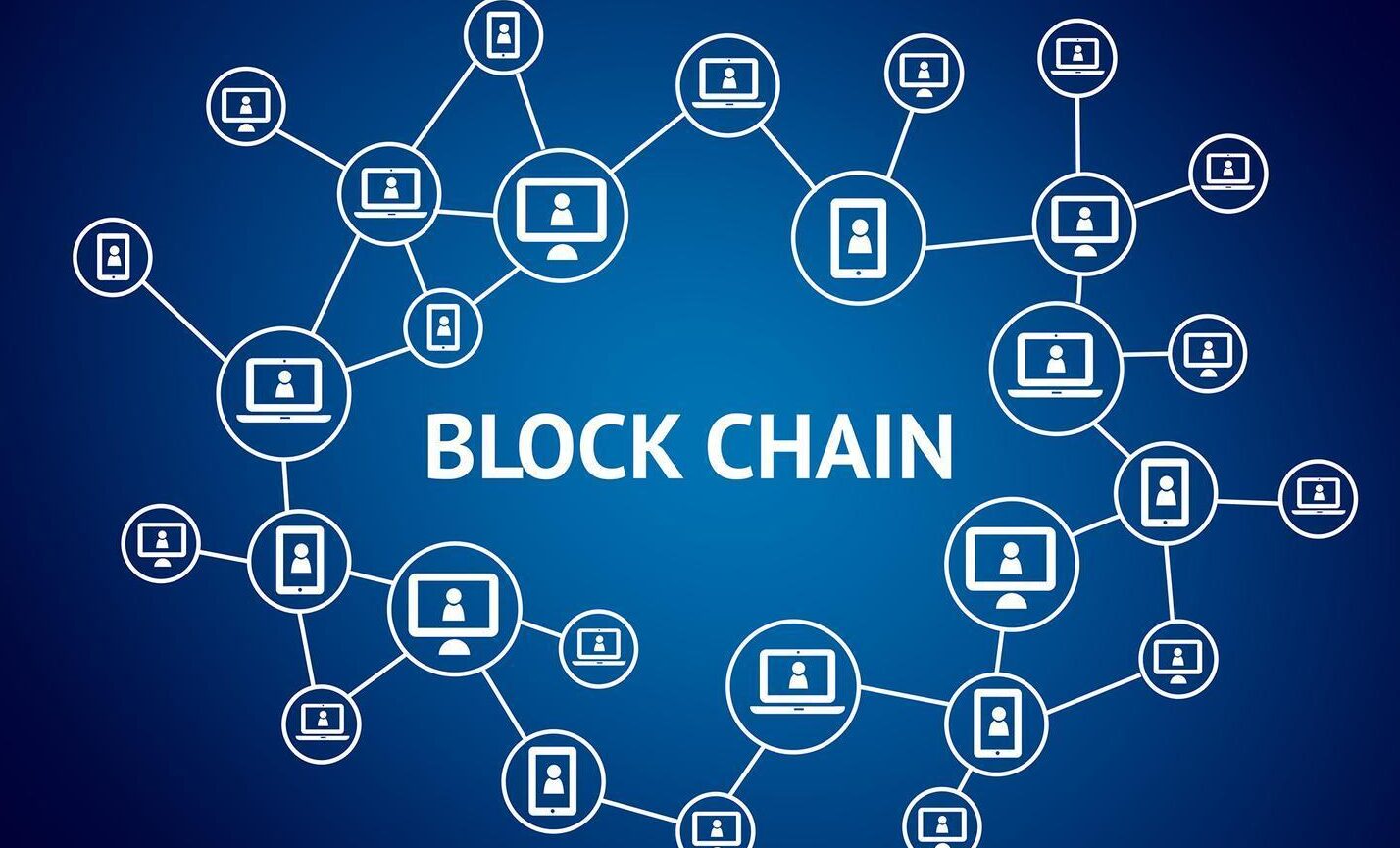 Healthcare providers are looking into blockchain as a safe way to store and exchange electronic health records. Estonia’s eHealth system and MIT’s MedRec are two examples of projects that are building models that give patients more control over their medical data and make it easier for institutions to work together. Governments and voting systems are also utilising blockchain to enhance transparency and safety. While blockchain-based voting systems are still in their infancy, they offer the promise of tamper-proofing and real-time auditing. This is a big step forward for the integrity of democracy. Blockchain is also crucial in the field of digital identification. Companies like uPort and Civic are working on self-sovereign identification systems that let people control and verify their credentials without having to rely on other people. This cuts down on fraud and improves privacy.
 At the same time, businesses are increasingly using Blockchain-as-a-Service (BaaS) platforms from Microsoft Azure, Amazon Web Services, and Oracle to integrate blockchain technology into their operations.n technology into their operations. Their systems without havinCompanies are developing these platformsCompanies are developing these platforms from the ground up. Central Bank Digital Currencies (CBDCs) are quite popular in the public sector. China (with its digital yuan) and Sweden (with its e-krona) are also trying out blockchain-based currencies that promise speedier transactions, lower prices, and better control over money.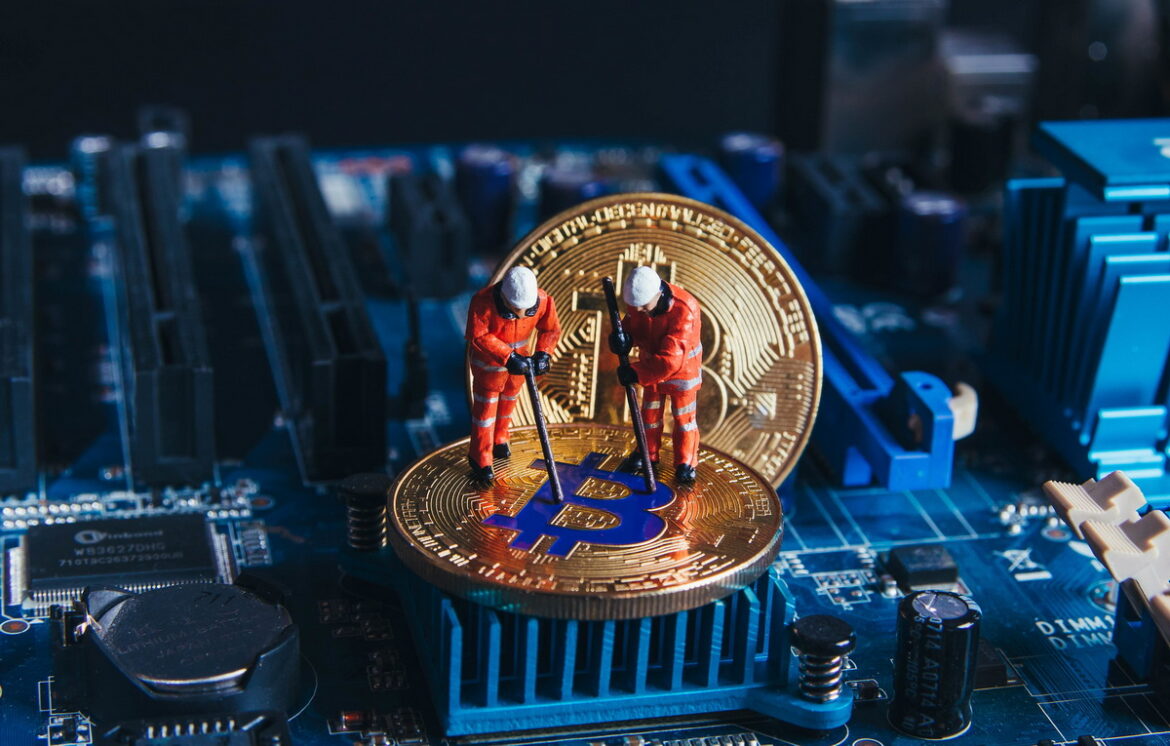
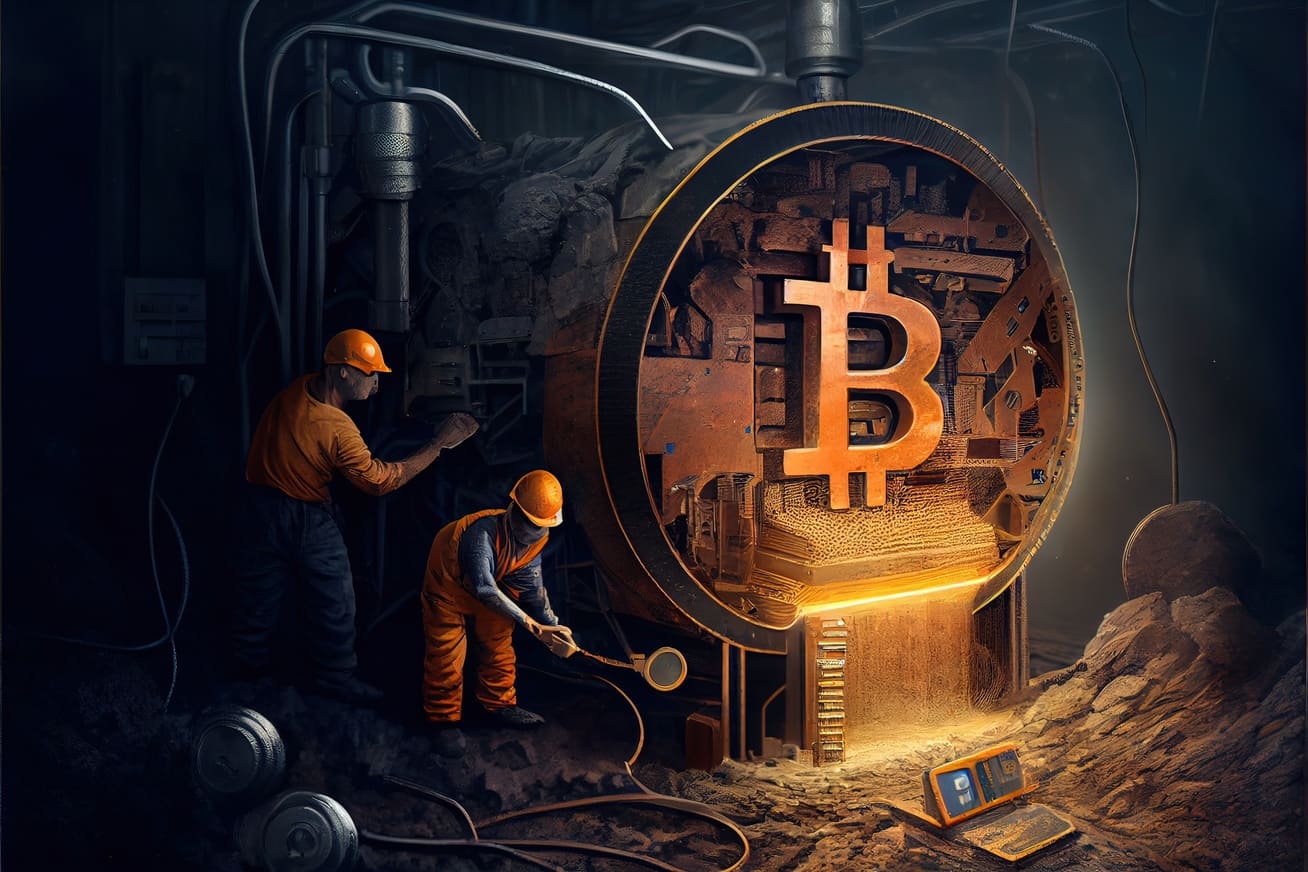
 Another new idea is merged mining, which lets miners protect many blockchains at the same time without using more energy. This makes the network more secure and increases profits. Industry experts, like Andreas Antonopoulos, frequently emphasise that mining will remain central to Bitcoin’s decentralisationon and trustless architecture for years to come.
 Another worry is safety. While the blockchain itself is resistant to attacks, poorly constructed smart contracts are vulnerable, as demonstrated by the 2016 DAO hack. Uncertainty about regulations also slows growth because governments all over the world are trying to figure out how to classify and control crypto-assets. The SEC’s decision to recognise tokens as securities is still up for debate in the U.S., but the EU has made things clearer with the Markets in Crypto-Assets Regulation (MiCA). Blockchain Technology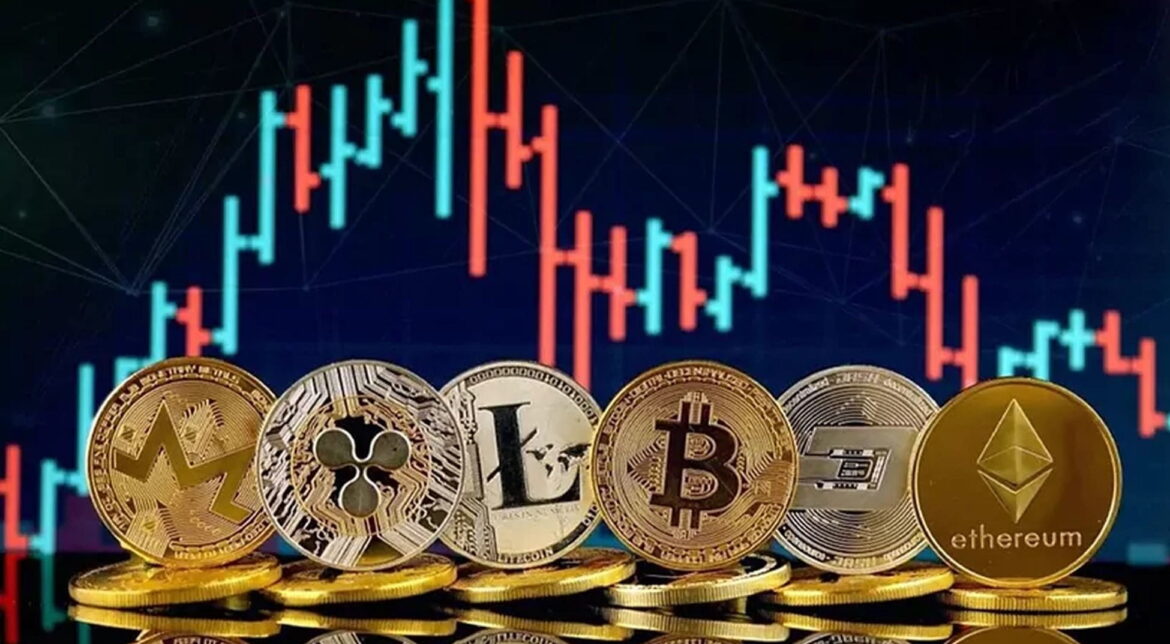
 Ethereum made blockchain more useful by adding smart contracts, which are self-executing codes that automate transactions. This set the stage for DeFi platforms like Uniswap, Compound, and Aave, which let people lend, borrow, and earn interest without going via a bank. The Merge changed Ethereum to PoS in 2022. This improvement made it use a lot less energy and made it easier to scale.
 Bitcoin may be used for more than trading, as people are discussing using Pakistan’s surplus electricity for sustainable mining. Bitcoin is also becoming popular with corporate treasuries. MicroStrategy’s treasury model has led companies listed in London to put billions of euros in BTC. The trend shows that traditional businesses are becoming more open to digital assets. In addition, cutting-edge fintech companies like SoFi Technologies want to get back into the crypto industry by offering integrated wallets, trading, and staking services. Such developments will make Bitcoin even more popular in retail finance.
 Also, top exchanges and brokerages are looking at new financial products, such as tokenised stock offerings that combine regular stocks with blockchain technology. These changes create new opportunities for both institutional and retail investors by bringing the worlds of traditional finance and decentralised digital assets together. Different countries have different rules, but the general tendency is towards integration rather than a ban, with governments trying to find a balance between innovation and risk management.
 These spikes in adoption have a direct effect on demand and, by extension, pricing. News about rules and regulations is also crucial. Fluctuations in crypto tax rules or announcements from the U.S. Securities and Exchange Commission (SEC) often lead to significant changes in the market. Large markets such as the U.S. and Europe approved Bitcoin ETFs, enhancing their credibility and driving up their prices. Various factors influence the price of cryptocurrency.
 The upshot is that the market is more liquid, prices are more stable (particularly for large-cap coins), and there is a greater link to traditional assets. Investors expect the market to mature as blockchain interoperability, real-world asset tokenisation, and Web3 infrastructure grow. They still expect large profits, but they are more aware of the risks involved.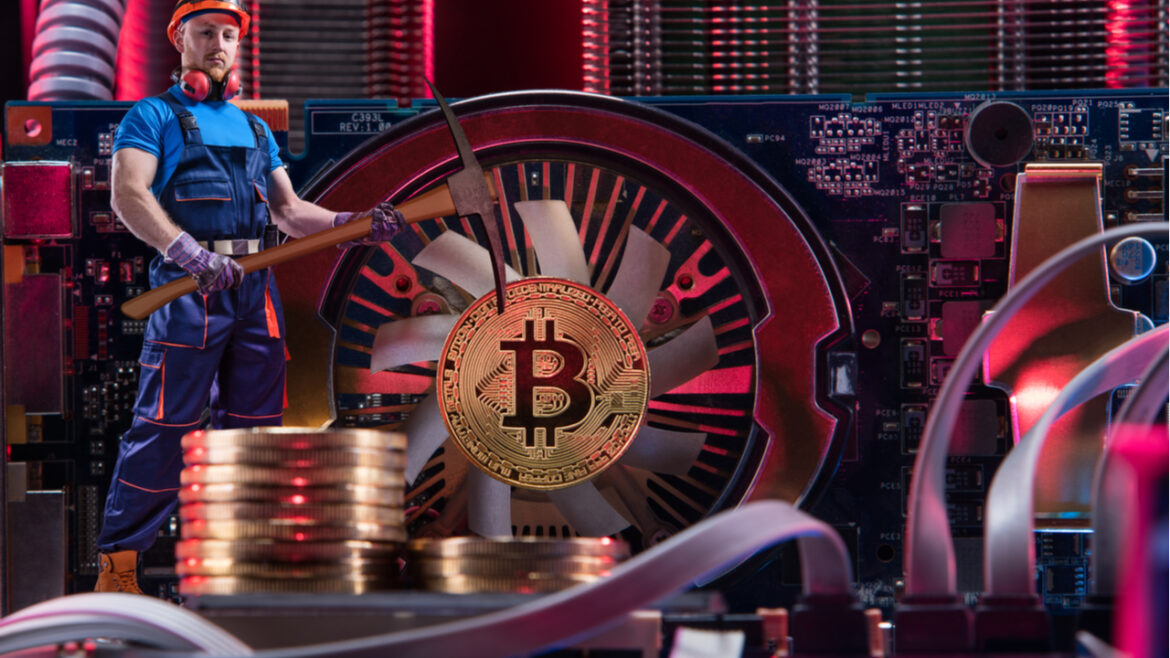
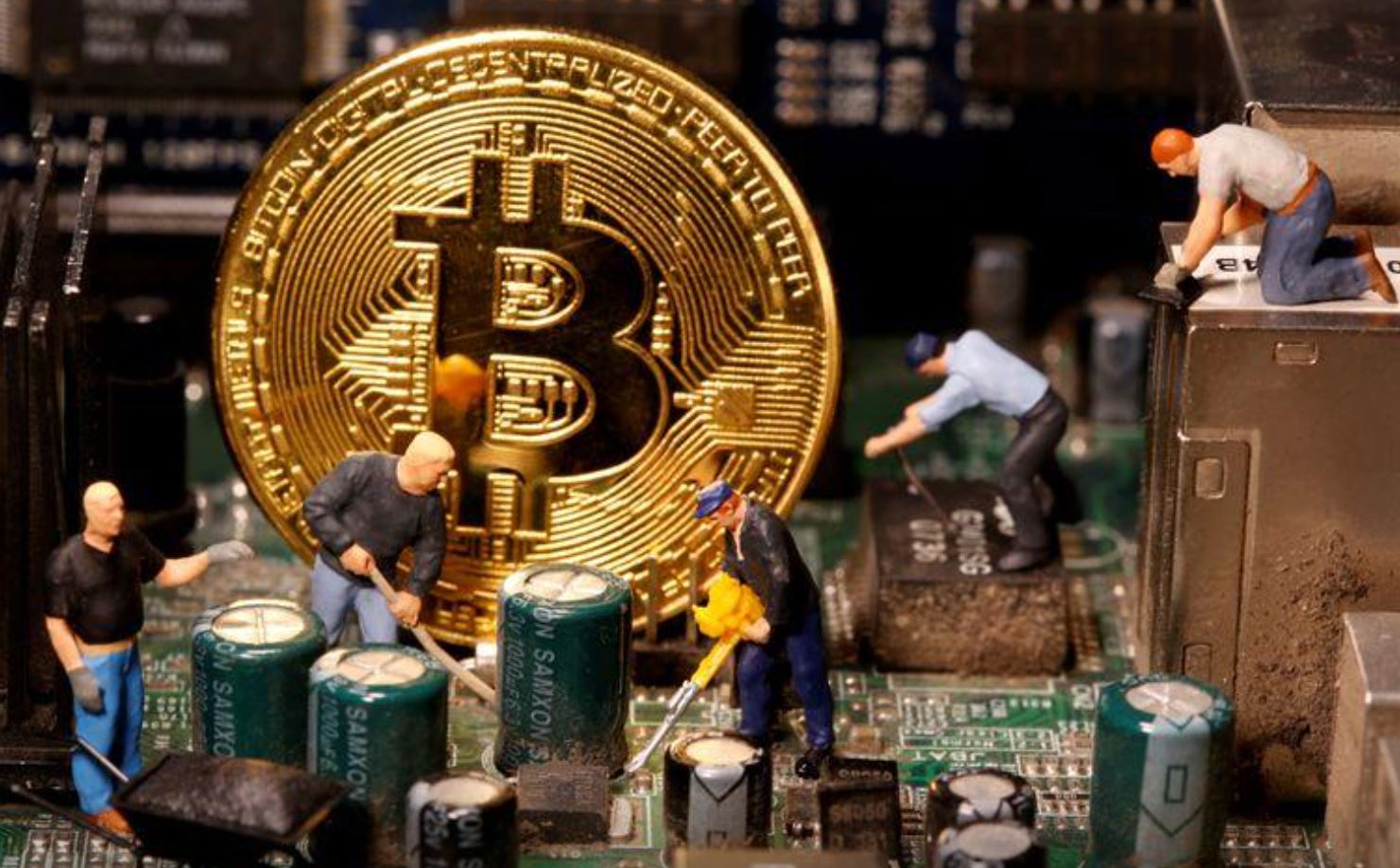 Miners get transaction fees in addition to block rewards. These costs grow more relevant when block rewards go down. This dual-incentive approach ensures the system’s longevity, even after mining all 21 million bitcoins. This is projected to happen around the year 2140.
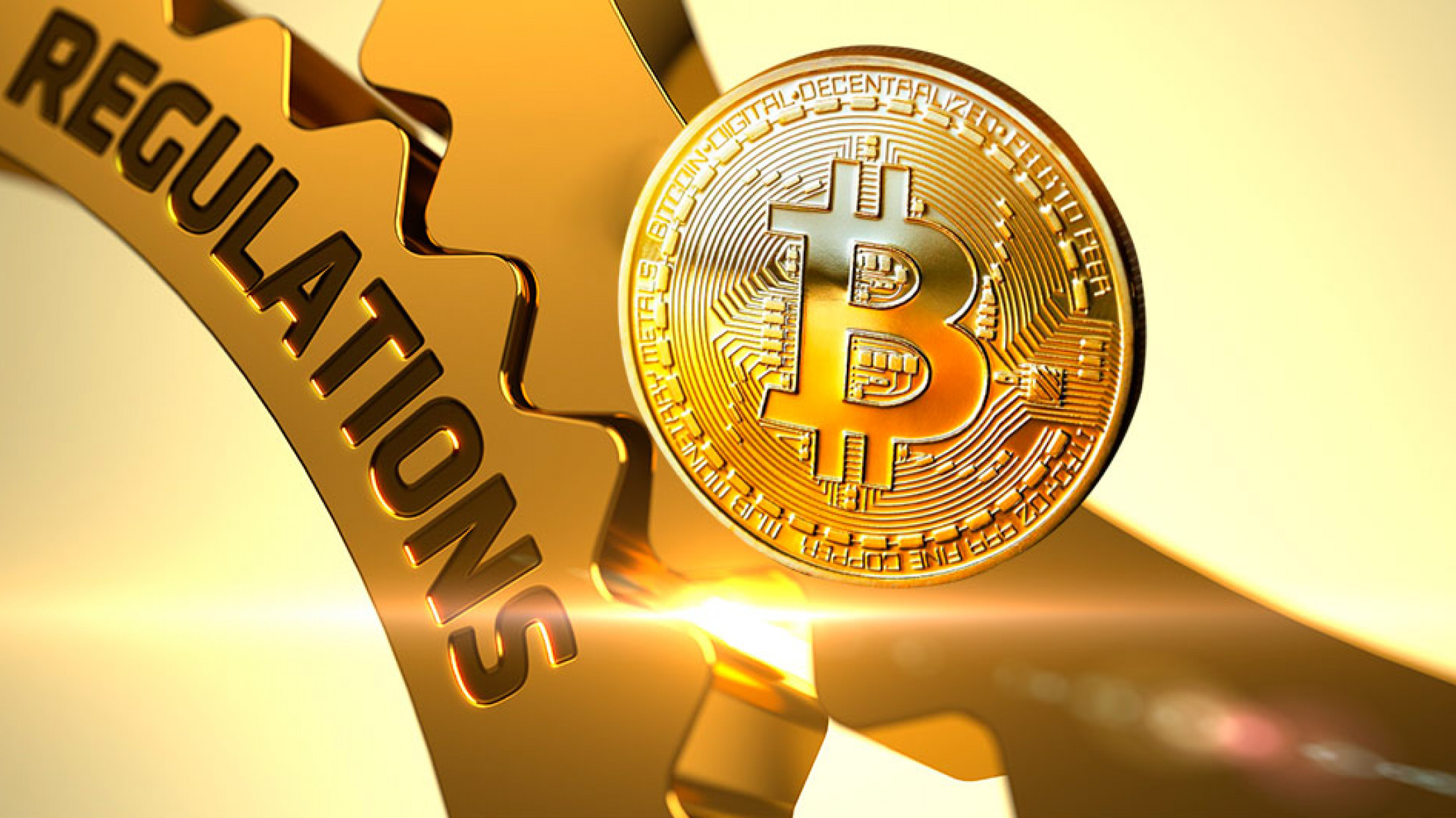
 On the other hand, places like New York have put a stop to some kinds of mining, especially those that use non-renewable energies. The Financial Action Task Force (FATF) and local regulators are still looking at how mining affects energy policy, financial crime, and taxes around the world. As regulation gets better, the industry should gain more clarity and trust from investors.
 Binance Coin (BNB), Solana (SOL), Cardano (ADA), and Ripple (XRP) are some more well-known cryptocurrencies that offer different answers to issues with speed, scalability, and cross-border transactions. Examples of stablecoins linked to traditional currencies are Tether (USDT) and USD Coin (USDC). They act as a bridge between fiat and crypto, giving traders a more stable way to trade. Because there are so many different types of cryptocurrency, there are many ways to use them outside of investing. This shows how flexible this digital asset class is.
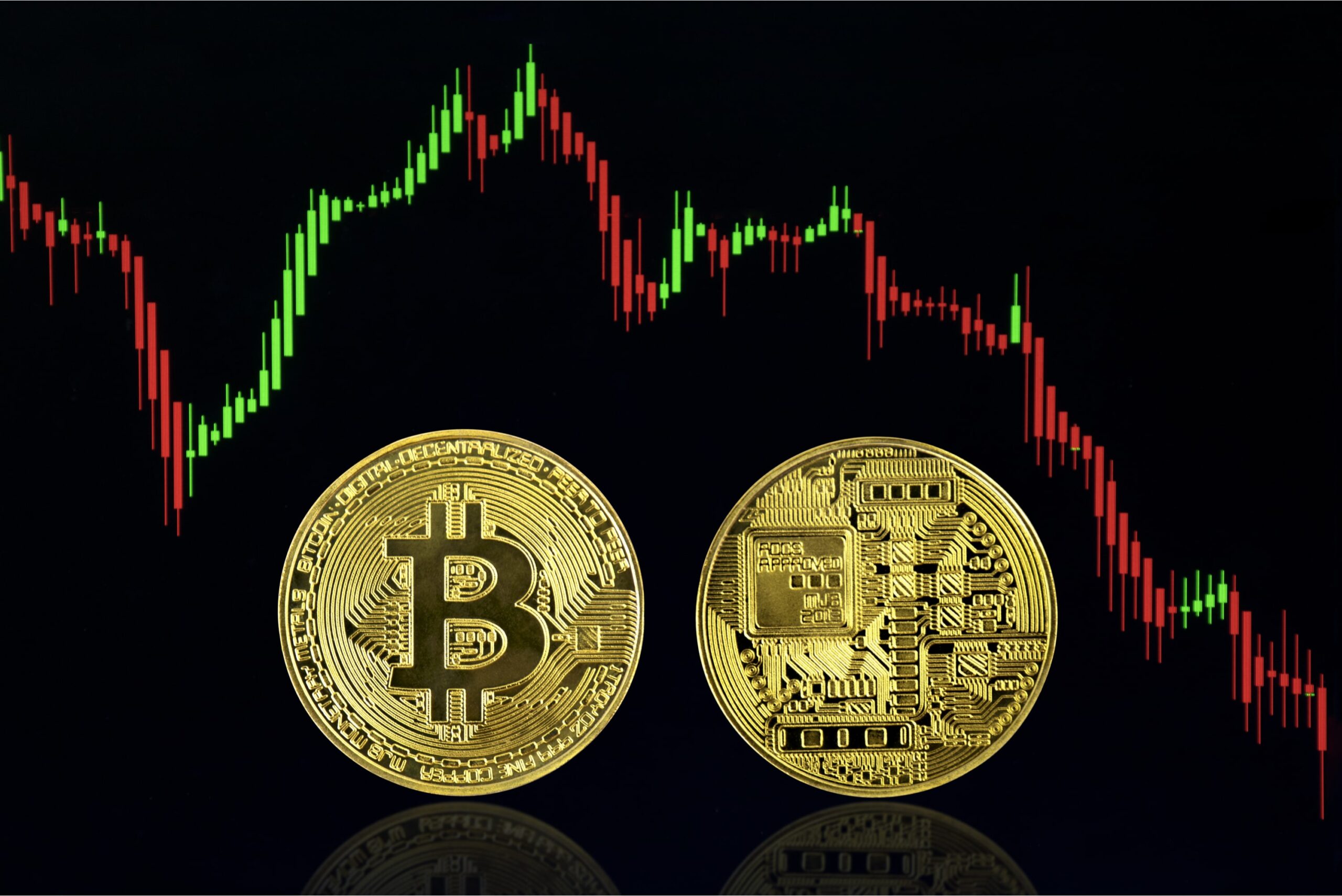 These tokens that are tied to fiat currencies have become quite important in the crypto world because they keep things stable even when prices go up and down. Staking has become a popular way to get money without doing anything, as people lock up coins to help keep PoS networks safe and get compensation for doing so. The emergence of crypto derivatives and futures markets gives smart investors tools to protect themselves from risk, but these products can also make risk worse if used carelessly.