



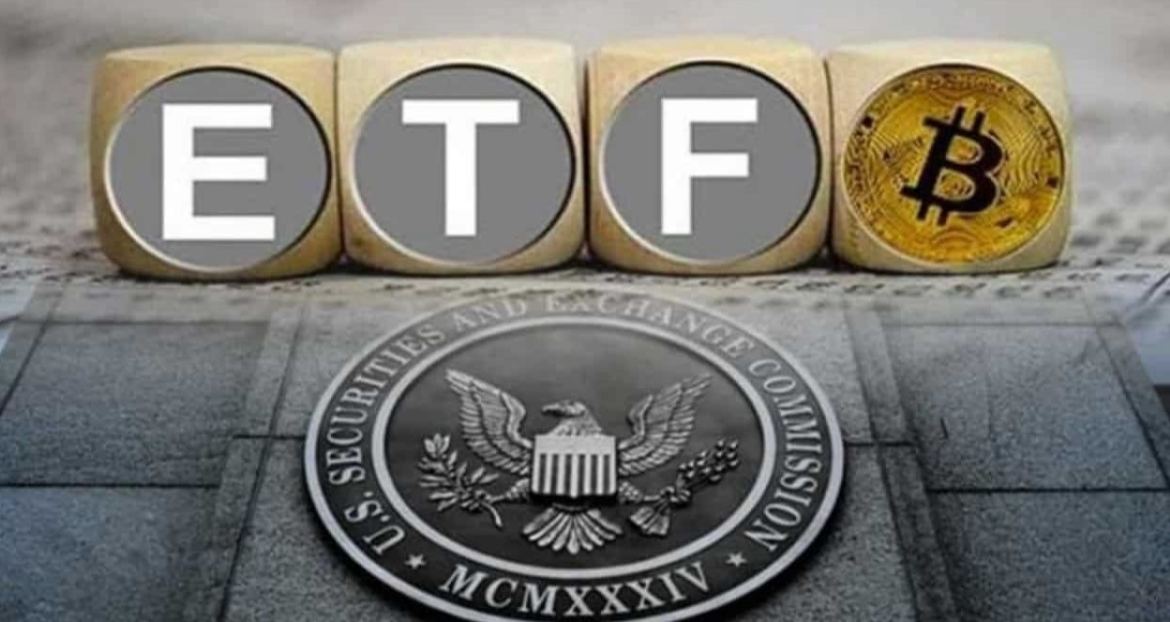
The cryptocurrency landscape has been buzzing with excitement as bitcoin ETF approval news updates continue to reshape the investment world. For investors and crypto enthusiasts alike, staying informed about Exchange-Traded Fund approvals has become crucial for making strategic financial decisions. The approval of Bitcoin ETFs represents a monumental shift in how traditional financial institutions and retail investors can access cryptocurrency markets.
Recent bitcoin ETF approval news updates have shown unprecedented institutional adoption, with major financial players entering the space. These developments signal a new era of legitimacy for Bitcoin as an asset class, making it more accessible to mainstream investors who previously hesitated to directly purchase cryptocurrencies. Understanding these updates is essential for anyone looking to capitalise on the evolving crypto investment landscape.
Latest Bitcoin ETF Approval News Updates
Recent SEC Decisions and Their Market Impact
The Securities and Exchange Commission’s stance on Bitcoin ETFs has evolved significantly throughout 2025. Recent bitcoin ETF approval news updates indicate a more favourable regulatory environment, with several spot Bitcoin ETFs receiving approval after years of regulatory scrutiny. These approvals have triggered massive inflows into Bitcoin markets, demonstrating institutional confidence in cryptocurrency as a legitimate asset class.
Major asset management companies like BlackRock, Fidelity, and VanEck have successfully launched their Bitcoin ETF products, creating new investment vehicles for both institutional and retail investors. The approval process has become more streamlined, with the SEC establishing clearer guidelines for Bitcoin ETF applications.
Key Players in the Bitcoin ETF Market
Leading financial institutions have been at the forefront of Bitcoin ETF development. BlackRock’s iShares Bitcoin Trust has emerged as one of the most successful products, attracting billions in assets under management within months of its launch. Similarly, Fidelity’s Wise Origin Bitcoin Fund has gained significant traction among institutional investors.
These bitcoin ETF approval news updates have created a competitive landscape where traditional asset managers compete for market share in the cryptocurrency space. The success of these products has encouraged more financial institutions to file their own Bitcoin ETF applications, further expanding investor options.
How Bitcoin ETF Approvals Affect Cryptocurrency Markets

Price Volatility and Trading Volume Changes
Bitcoin ETF approvals have historically triggered significant price movements in Bitcoin markets. Recent bitcoin ETF approval news updates show that successful approvals often lead to immediate price increases, followed by sustained trading volume growth. This pattern reflects increased institutional demand and improved market liquidity.
The correlation between ETF approvals and Bitcoin price movements has become a key indicator for traders and investors. Market participants closely monitor regulatory decisions, positioning themselves to capitalize on potential price movements following approval announcements.
Institutional Investment Trends
The approval of Bitcoin ETFs has opened floodgates for institutional investment in cryptocurrency. Pension funds, insurance companies, and other traditional investors can now gain Bitcoin exposure through regulated investment products. These bitcoin ETF approval news updates have fundamentally changed the investor demographic in cryptocurrency markets.
Institutional adoption through ETFs has brought increased stability to Bitcoin markets, reducing some of the extreme volatility traditionally associated with cryptocurrency investments. This stability has made Bitcoin more attractive to conservative investors seeking portfolio diversification.
Investment Strategies for Bitcoin ETF Markets

Portfolio Allocation Considerations
Financial advisors increasingly recommend Bitcoin ETF allocations ranging from 1% to 5% of total portfolio value. Recent bitcoin ETF approval news updates suggest that institutional investors are implementing similar allocation strategies, treating Bitcoin as a digital gold alternative for portfolio hedging.
The regulatory clarity provided by ETF approvals has enabled more sophisticated investment strategies. Investors can now implement dollar-cost averaging approaches, tactical allocation adjustments, and risk management techniques previously unavailable in direct cryptocurrency investments.
Risk Management Techniques
Bitcoin ETFs offer several risk management advantages over direct cryptocurrency ownership. These regulated products provide investor protections, transparent pricing, and professional fund management. Recent bitcoin ETF approval news updates highlight improved custodial solutions and insurance coverage for ETF assets.
Diversification across multiple Bitcoin ETF products has emerged as a popular strategy for managing concentration risk. Investors can spread their Bitcoin exposure across different fund providers, reducing counterparty risk while maintaining cryptocurrency market exposure.
Future Outlook for Bitcoin ETF Approvals
Regulatory Developments on the Horizon
The regulatory landscape for Bitcoin ETFs continues evolving rapidly. Future bitcoin ETF approval news updates are expected to include approvals for additional cryptocurrency ETFs, including Ethereum and other altcoin products. The SEC’s increasingly accommodating stance suggests continued expansion of cryptocurrency ETF offerings.
International regulatory developments also influence U.S. Bitcoin ETF markets. European and Canadian Bitcoin ETF successes have provided regulatory precedents that support continued approvals in American markets. This global regulatory alignment strengthens the case for additional cryptocurrency ETF products.
Market Expansion Opportunities
Growing institutional acceptance of Bitcoin ETFs creates opportunities for product innovation and market expansion. Recent bitcoin ETF approval news updates indicate potential for leveraged Bitcoin ETF products, inverse Bitcoin ETFs, and actively managed cryptocurrency strategies.
The success of initial Bitcoin ETF launches has encouraged product development for other cryptocurrency assets. Market participants anticipate approvals for diversified cryptocurrency ETF products that provide exposure to multiple digital assets through single investment vehicles.
Conclusion
Staying informed about remains crucial for modern investors navigating the evolving cryptocurrency landscape. These regulatory developments represent fundamental shifts in how traditional finance embraces digital assets, creating unprecedented opportunities for both institutional and retail investors.
The continued approval of Bitcoin ETF products signals growing mainstream acceptance of cryptocurrency as a legitimate asset class. As regulatory frameworks mature and more products receive approval, investors gain increasingly sophisticated tools for cryptocurrency exposure within traditional investment portfolios.