

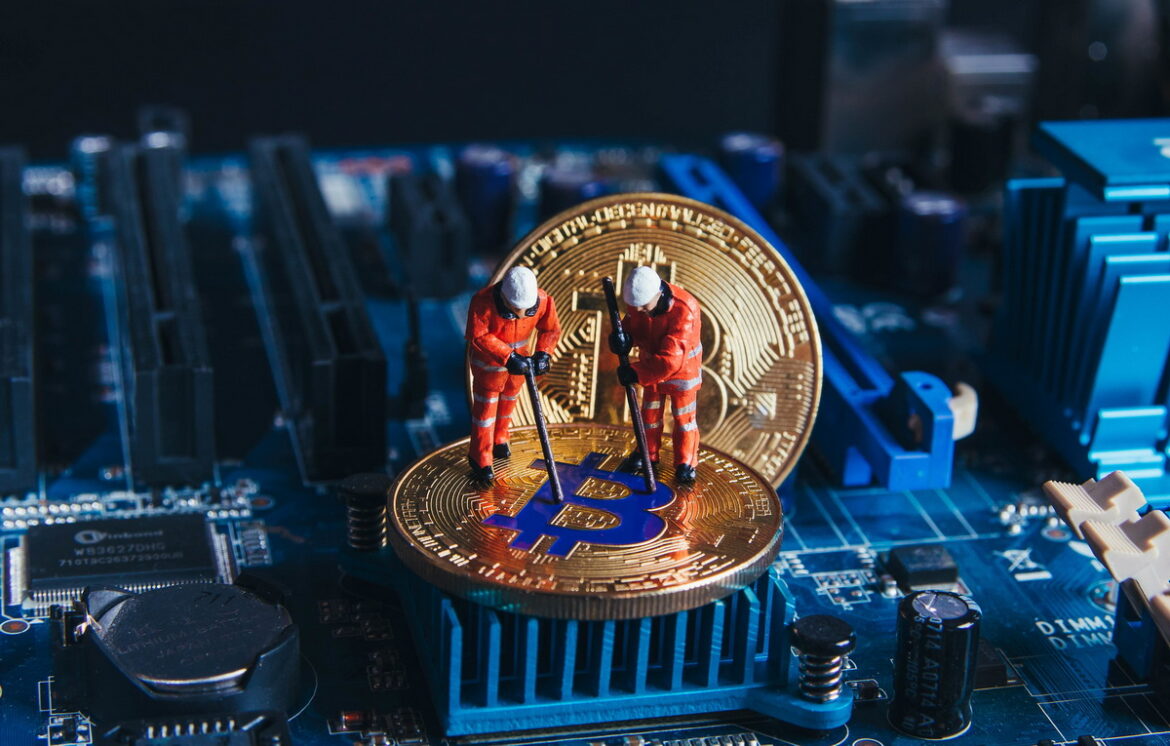
Bitcoin mining is an important part of the Bitcoin network and the larger cryptocurrency ecosystem. It serves as the foundation for the decentralised blockchain system, enabling the creation of new bitcoins and the safe verification of transactions. As Bitcoin changes the way money works, it’s important for investors, techies, and anybody else interested in digital currencies to learn about mining—how it works, how it affects the economy, and what it means.
Bitcoin Mining and Proof-of-Work
Bitcoin mining is just a math problem that miners try to solve by competing with one another. Proof of Work (PoW) is a consensus mechanism that utilises these puzzles to reach agreement. It makes sure that transactions are real and stops people from doing things like double-spending. When a miner solves a puzzle, a new block of verified transactions is uploaded to the blockchain. The miner gets fresh bitcoins and transaction fees as a reward.
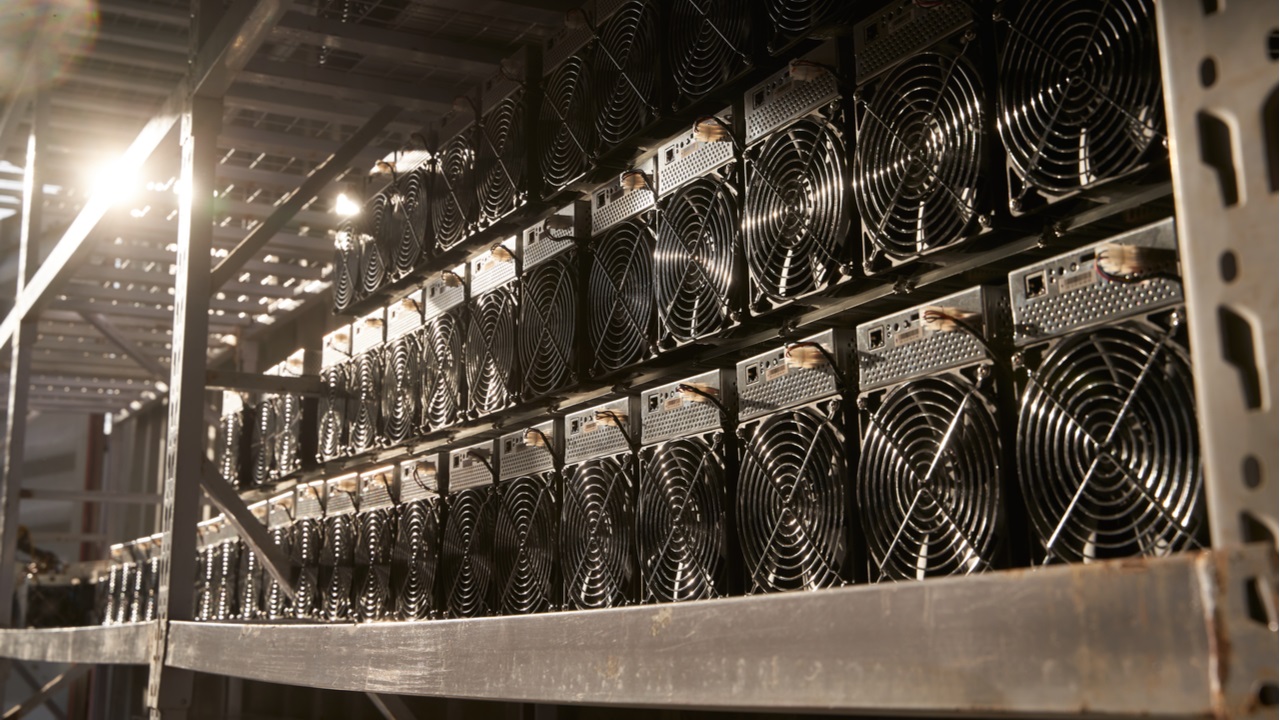
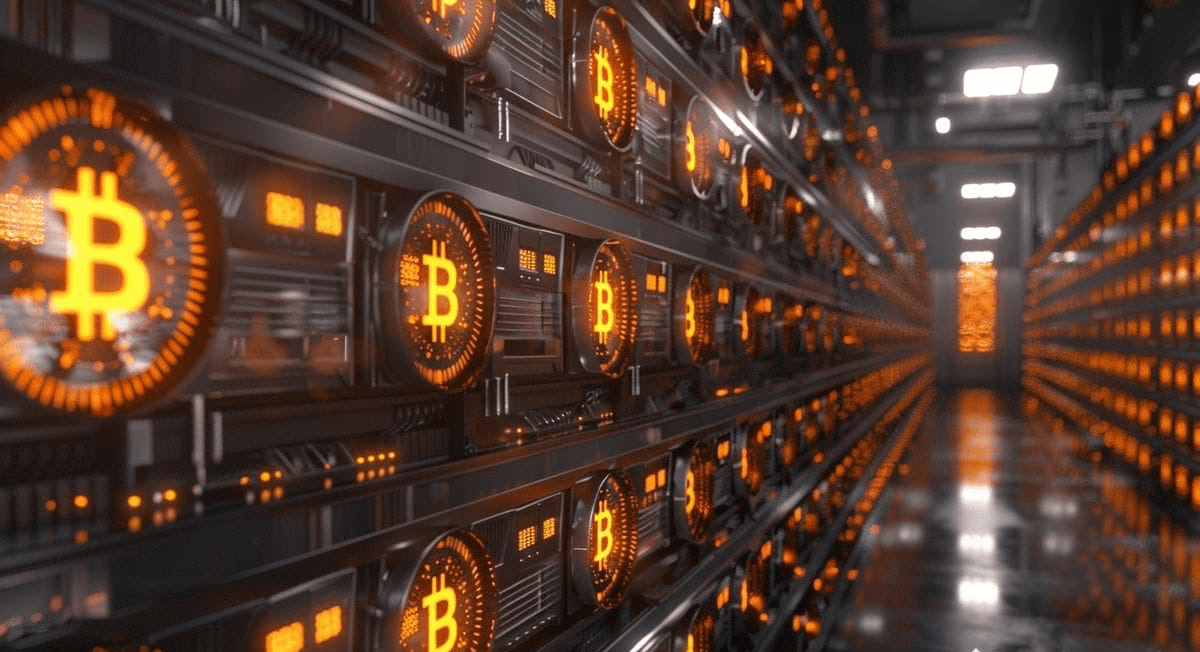
This technique needs a lot of processing power and sophisticated hardware called ASICs (Application-Specific Integrated Circuits). ASICs are better than regular CPUs or GPUs at the SHA-256 hashing algorithm that Bitcoin uses, which lets miners do billions of operations per second. The mining difficulty changes about every two weeks to make sure that blocks are mined about every ten minutes, no matter how much computing power the network has.
In the early days of Bitcoin, anyone with a simple computer CPU could mine it. There were fewer people on the network, and the riddles were easier. As Bitcoin gained popularity, the mining process became more difficult, prompting miners to utilise more powerful GPUs that significantly enhanced hashing capacity. However, the real game-changer was ASIC miners, specifically designed for Bitcoin’s cryptographic challenges. Companies like Bitmain, which Jihan Wu and Micree Zhan started, have been at the forefront of producing new mining equipment that strikes a balance between power efficiency and processing speed.
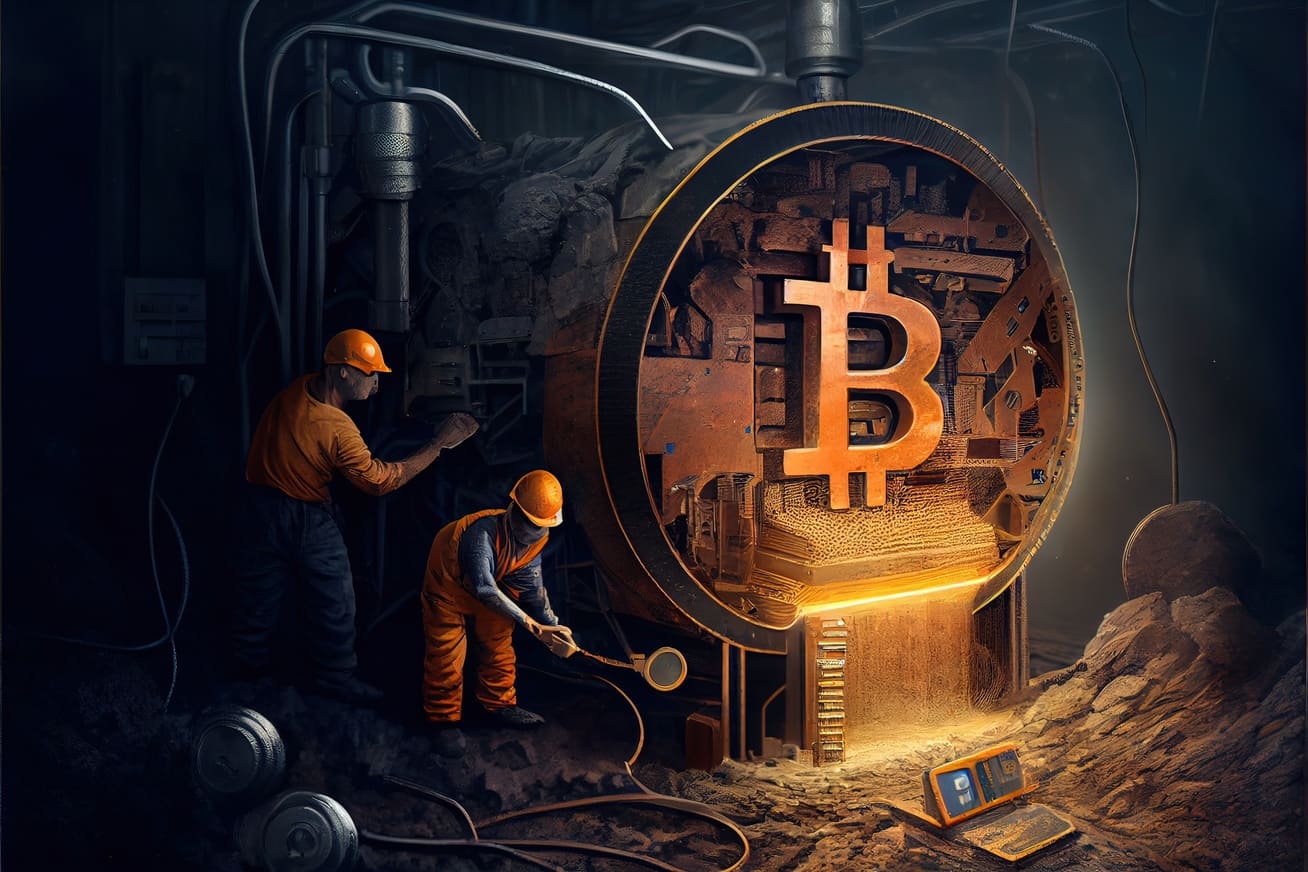
These ASIC miners, together with mining farms set up in places with cheap electricity, have turned mining into an industry that requires a lot of money and is mostly run by big companies. Mining pools have also become an important new idea. These are groups of miners who pool their computing power to make it more likely that they will get mining rewards. The rewards are then split up based on how much processing power each participant provided. F2Pool, Antpool, and Slush Pool are some of the pools that now control a large part of the Bitcoin network’s hash rate. This arrangement has led to ongoing debates about how to balance efficiency with decentralisation.
Economic Incentives and Bitcoin Halving
Mining Bitcoin is not only about keeping the network safe; it’s also about making money. The main reason miners do what they do is to get the block reward, which is 6.25 bitcoins for each block right now (as of 2024). Every four years, an event known as the “halving” reduces this incentive by half. This phenomenon slows down the rate at which new bitcoins are created and helps keep the total number of bitcoins at 21 million. Historically, the halving events have been linked to big price increases because the decrease in supply issuance makes things harder to find.
This dynamic draws in both investors and miners, which affects choices about hardware investments, scaling operations, and getting energy. The cost of electricity, the efficiency of the hardware, the market price of Bitcoin, and the difficulty of the network all have a big role in how profitable mining is. Countries with abundant and affordable energy—such as the United States, Kazakhstan, and Canada—have become mining hotspots. Regulatory environments and geopolitical events also play influential roles in shaping the global distribution of mining power.
Bitcoin Mining Environmental Impact
The environmental effects of Bitcoin mining are one of the most talked-about issues. Mining needs a lot of electricity to run ASIC rigs and keep them cool. Critics frequently highlight the carbon impact, particularly when using fossil fuels to generate electricity. But subsequent studies show a more complicated picture. More and more mining companies are using renewable energy sources like wind, hydropower, and geothermal electricity.
For example, mining groups in places like Sichuan province in China used to use hydroelectric power during the rainy season. The mining farms in Iceland, for example, use hydropower and geothermal energy to operate with the least amount of environmental harm. The Bitcoin Mining Council and other groups work to make energy use more open and to push for better mining methods. New technologies, including immersion cooling, help lower energy use by better regulating the heat that mining equipment makes.
Future Innovations in Bitcoin Mining
Bitcoin mining is a field that is always changing to keep up with new technology and changes in the law. Quantum computing research has sparked interest in designing cryptographic algorithms that are resistant to quantum computing to protect the network from threats in the future. Layer-two alternatives like the Lightning Network also try to ease congestion on the blockchain by letting people do off-chain transactions faster and cheaper. This change could affect how transaction fees work, which are an important part of miners’ income as block rewards go down over time.
 Another new idea is merged mining, which lets miners protect many blockchains at the same time without using more energy. This makes the network more secure and increases profits. Industry experts, like Andreas Antonopoulos, frequently emphasise that mining will remain central to Bitcoin’s decentralisationon and trustless architecture for years to come.
Common Questions About Bitcoin Mining
Individuals interested in mining often have numerous questions about the process. What are the possibilities, what are the risks, and what are the rewards? The the rewards are. To figure out if anything is profitable, you need to know what tools you need, like up-to-date ASIC miners, and how much electricity it will cost. Joining mining pools can help smaller miners maintain more stable earnings, but solo mining is becoming increasingly difficult due to various challenges. The network’s increasing complexity is making solo mining increasingly challenging.
It’s understandable to be concerned about the environment, but there are important considerations to keep in mind. The move to use more renewable energy in mining is a positive sign. Additionally, governments are likely to closely monitor regulations as well. They strive to strike a balance between innovative ideas, energy efficiency, and financial stability.
Final thoughts
Bitcoin mining is a complicate This process continues. The Bitcoin network is safe, issues new coins, and maintains its decentralisation. Mining has grown from small activities on home computers. Thanks to technological breakthroughs and economic incentives, mining has grown to huge, industrial-scale operations. Environmental issues still pose a challenge. The growing use of renewable energy sources and new cooling technologies gives us hope for a better future.
If you want to learn about cryptocurrencies, you need to know how Bitcoin mining works. It demonstrates the process of verifying transactions and creating new currencies. The cryptocurrency revolution is defined by the ongoing balance between decentralisation, profitability, and sustainability.
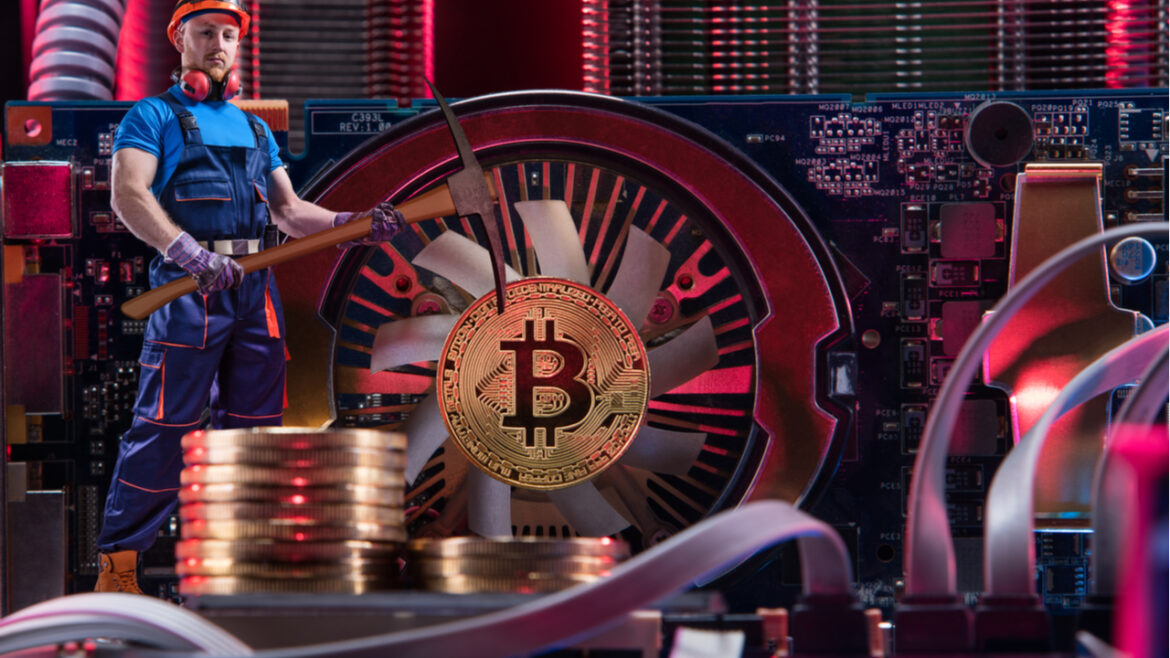
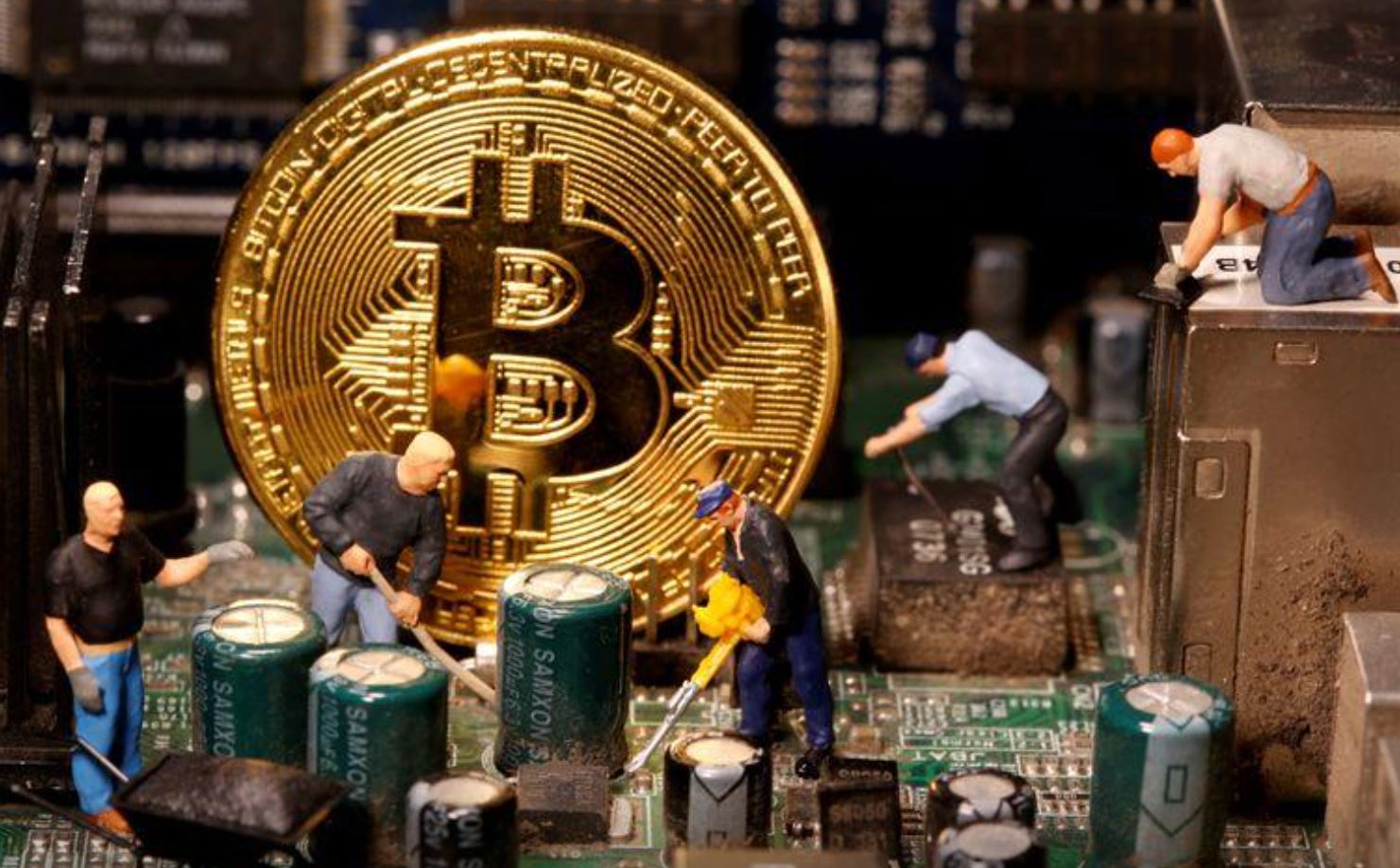 Miners get transaction fees in addition to block rewards. These costs grow more relevant when block rewards go down. This dual-incentive approach ensures the system’s longevity, even after mining all 21 million bitcoins. This is projected to happen around the year 2140.
 On the other hand, places like New York have put a stop to some kinds of mining, especially those that use non-renewable energies. The Financial Action Task Force (FATF) and local regulators are still looking at how mining affects energy policy, financial crime, and taxes around the world. As regulation gets better, the industry should gain more clarity and trust from investors.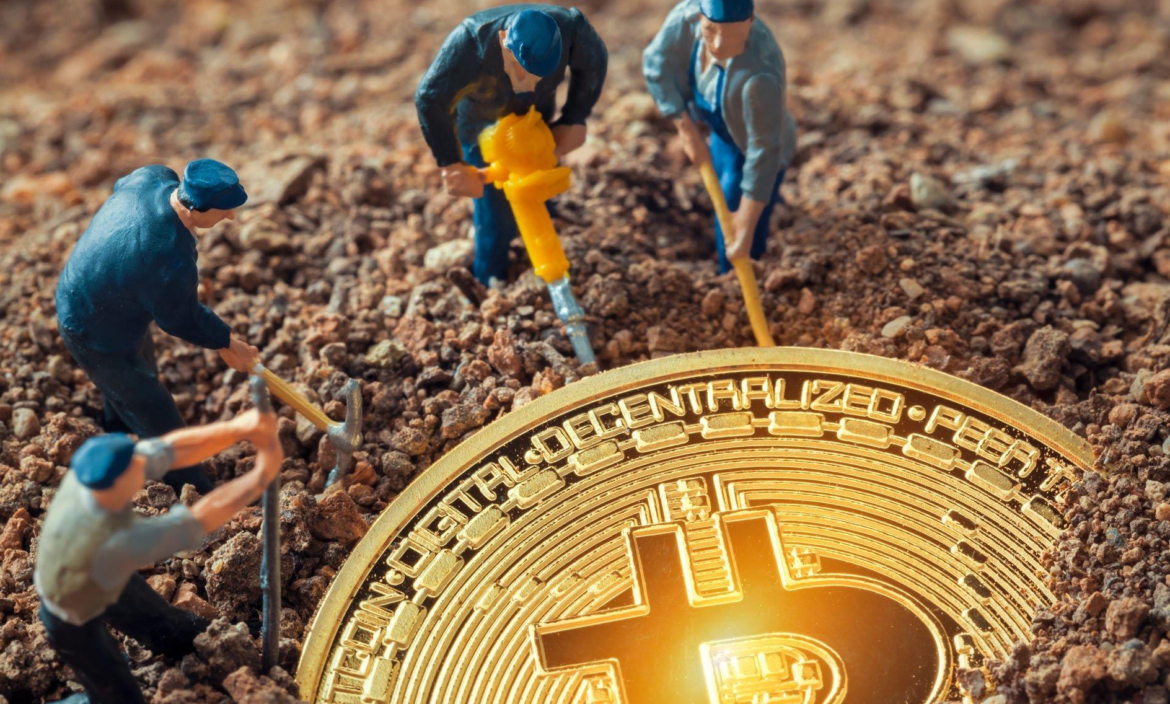
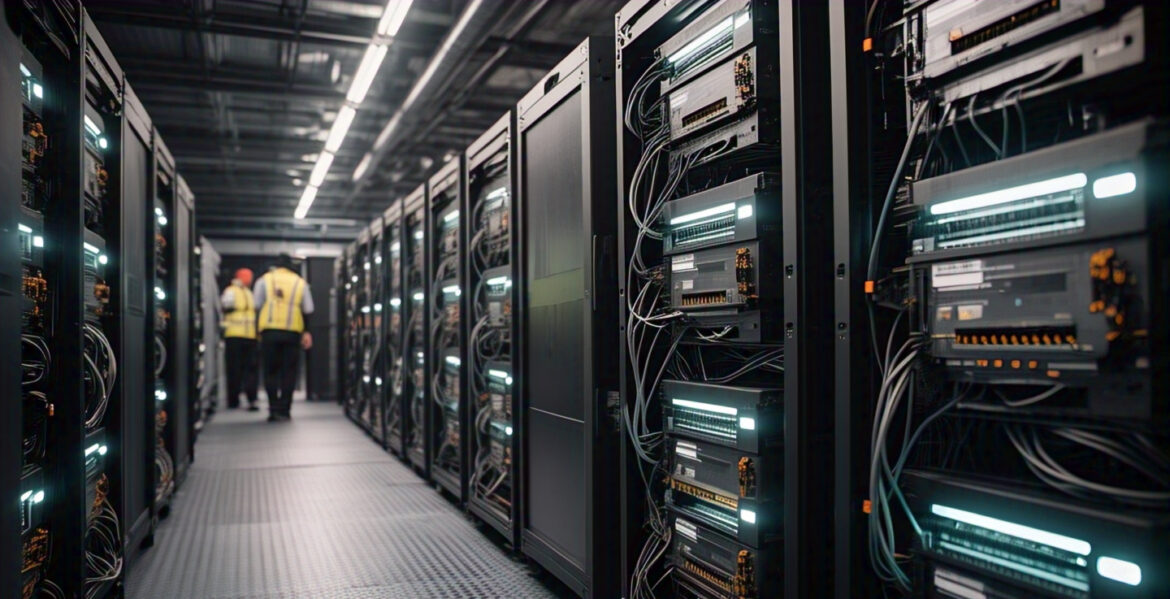
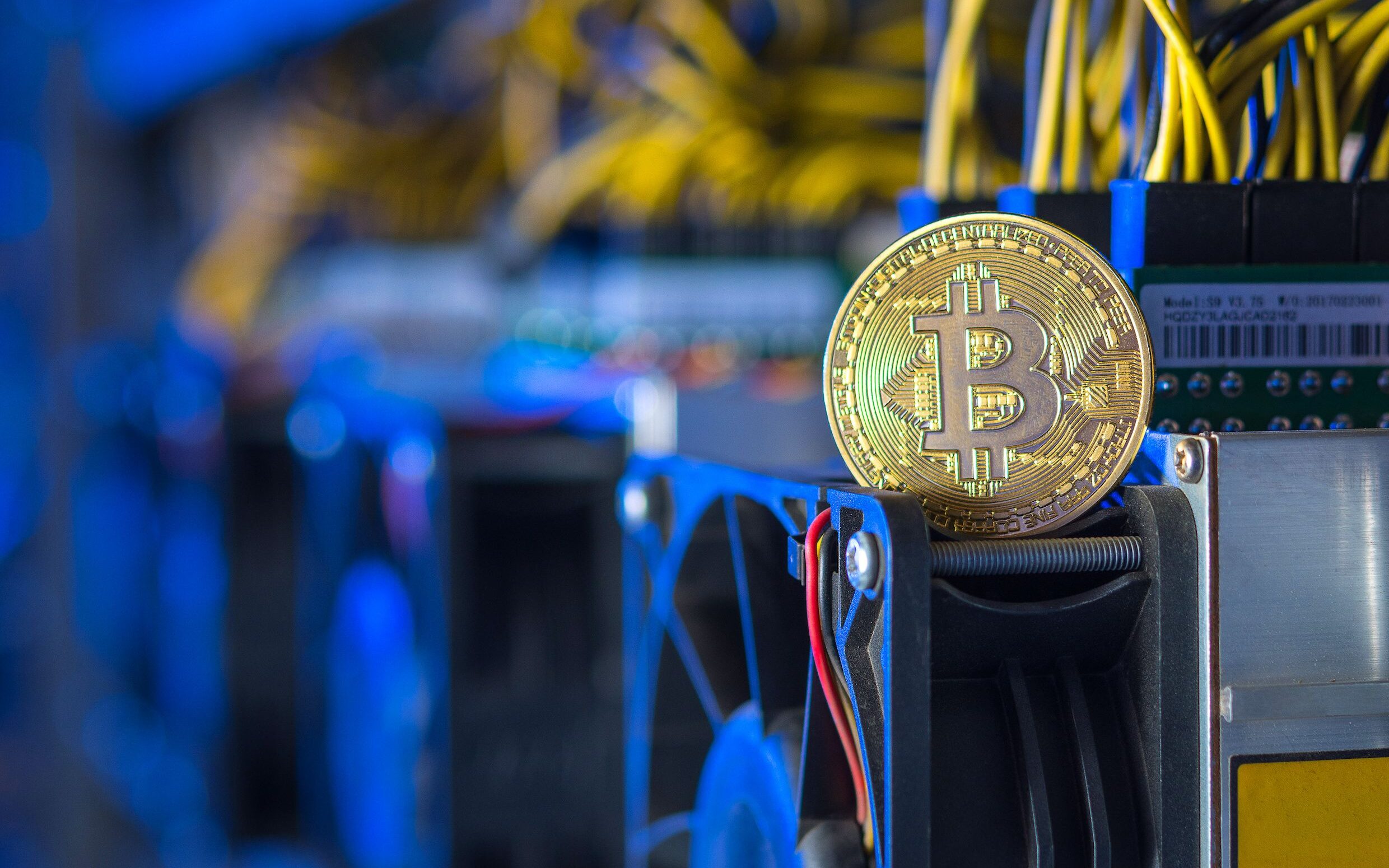
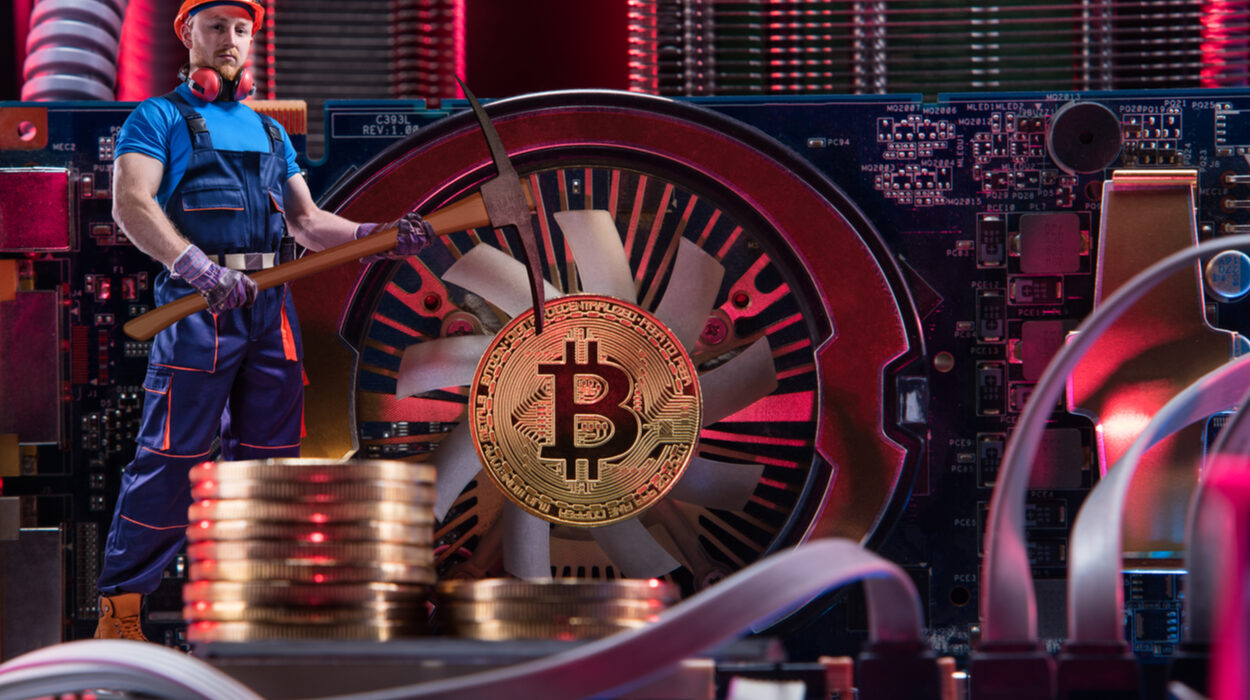 Modern mining operations typically utilise hundreds of ASICs, which are housed in separate buildings located in areas with inexpensive electricity or cooler climates. The US, Kazakhstan, Canada, and Russia are now major mining hubs around the world. Bitmain and MicroBT are two of the biggest companies in the market. Engineers are continuously developing machines that operate more efficiently, providing a higher number of terahashes per second (TH/s) while consuming fewer joules per terahash.
 Simultaneously, regulators in the US and EU are closely monitoring the environmental impact of mining and exploring methods to compel companies to disclose their energy consumption, monitor their emissions, and potentially levy taxes on energy-intensive enterprises. The SEC and CFTC are also interested in how open mining companies are in terms of their finances, especially those that are going public or selling tokenised assets.
 To stay lucrative, big miners increasingly set up shop in places with cheap and plentiful energy, like Texas, portions of Canada, or places with extra hydroelectric power, like Paraguay. Also, smart miners use firmware updates, predictive analytics, and demand-response energy programs that take advantage of off-peak rates to make their work more efficient.
 Countries like El Salvador, on the other hand, are aggressively pushing mining facilities powered by geothermal volcano energy since they made Bitcoin legal tender. The U.S. is still a global hub, but there are still arguments at the state and federal levels about the effects on the environment, energy use, and financial openness.
 The energy needs of PoW give it its security. To change past transactions, one must rerun the PoW for that block and all subsequent blocks. The task gets harder and harder as time goes on. This feature makes it very difficult to change or steal Bitcoin.
 Many businesses are moving to places with lots of renewable energy, like Canada for hydroelectric electricity or Iceland for geothermal energy. Some firms, like Tesla (for a short time) and Block, have looked into employing solar panels and battery storage devices to help with mining without hurting the environment too much. There are other efforts to create “green” mining certification standards and encourage the use of sustainable energy. These efforts are part of a larger trend in the crypto business to follow ESG (Environmental, Social, and Governance) rules.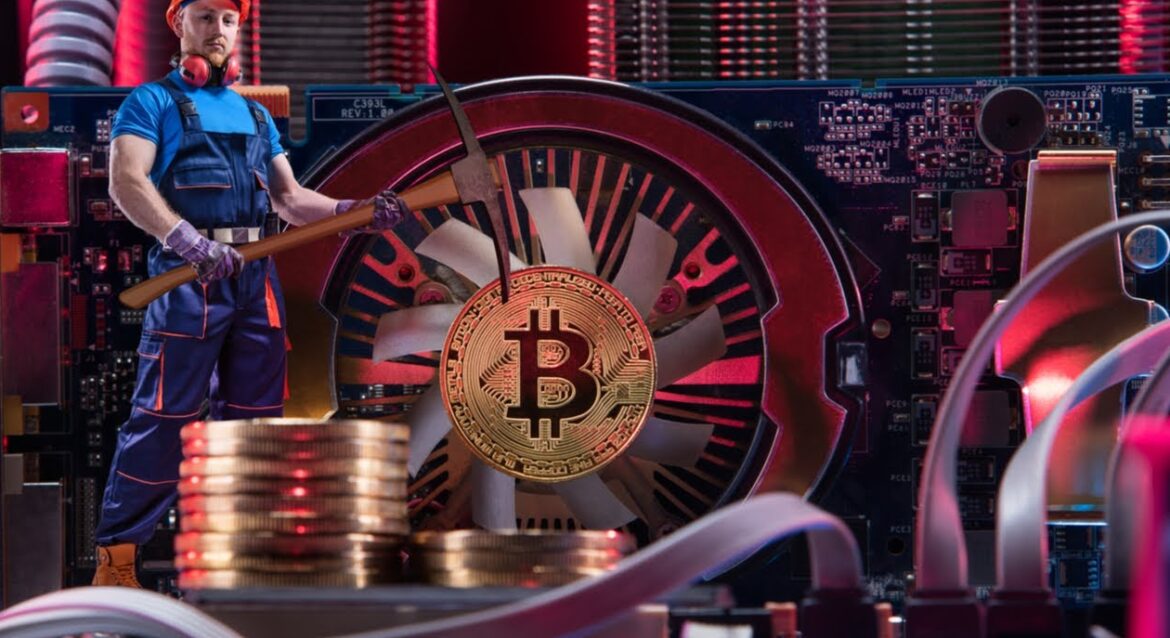
 The mining sector has responded, nonetheless, to these issues. Many mining operations run on renewable energy sources, including hydroelectric electricity in nations like Iceland, Canada (Quebec), and Norway. Furthermore, trying to improve energy efficiency are newly developed technologies such as artificial intelligence-optimized mining rigs and immersion cooling. The larger blockchain community also investigates different consensus models; for instance, Ethereum’s switch to proof-of-stake greatly lowers energy consumption, therefore revealing possible future routes for Bitcoin.