

Crypto News
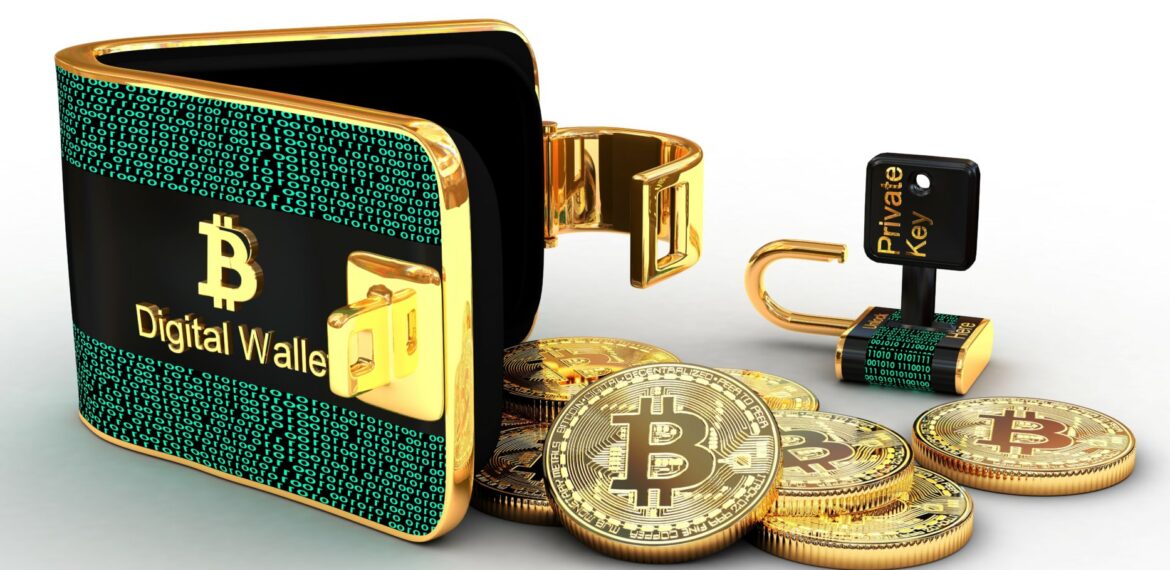
Setting up your first cryptocurrency wallet can feel overwhelming, but with the right crypto wallet setup guide, you’ll have your digital assets secured in no time. Whether you’re a complete beginner or looking to upgrade your security practices, this comprehensive guide will walk you through every step of creating and securing your cryptocurrency wallet.
In today’s digital economy, having a secure crypto wallet is essential for anyone looking to invest in Bitcoin, Ethereum, or other cryptocurrencies. With cyber threats constantly evolving and exchange hacks making headlines, storing your digital assets in a personal wallet gives you complete control over your funds. This guide covers everything from choosing the right wallet type to implementing advanced security measures that will keep your crypto safe for years to come.
Understanding Different Types of Cryptocurrency Wallets
Before diving into the setup process, it’s crucial to understand the various types of crypto wallets available. Each type offers different levels of security, convenience, and functionality.
Hot Wallets vs. Cold Wallets
Hot wallets are connected to the internet and offer convenience for frequent trading and transactions. These include mobile apps, desktop software, and web-based wallets. While they’re user-friendly, they’re more vulnerable to online attacks.
Cold wallets, on the other hand, store your private keys offline, making them nearly impossible to hack. Hardware wallets and paper wallets fall into this category. They’re ideal for long-term storage of significant amounts of cryptocurrency.
Software Wallets
Software wallets are applications you install on your computer or mobile device. Popular options include Electrum, Exodus, and Trust Wallet. These wallets give you control over your private keys while maintaining ease of use.
Hardware Wallets
Hardware wallets are physical devices that store your private keys offline. Leading brands include Ledger, Trezor, and KeepKey. They’re considered the gold standard for cryptocurrency security, especially for large holdings.
Step-by-Step Crypto Wallet Setup Guide
Step 1: Choose Your Wallet Type
Your choice depends on your needs, technical expertise, and the amount of cryptocurrency you plan to store. For beginners holding small amounts, a reputable mobile wallet like Trust Wallet or Coinbase Wallet works well. For larger investments, consider a hardware wallet.
Step 2: Download From Official Sources
Always download wallet software directly from the official website or authorized app stores. Avoid third-party sites, as they may distribute malicious versions designed to steal your funds.
Step 3: Create Your Wallet
Launch the application and select “Create New Wallet.” You’ll be prompted to set a strong password. Use a unique password that’s at least 12 characters long, combining uppercase and lowercase letters, numbers, and symbols.
Step 4: Backup Your Recovery Phrase
Your wallet will generate a recovery phrase, typically 12 or 24 words. This phrase is the master key to your wallet. Write it down on paper and store it in a secure location. Never store it digitally or share it with anyone.
Step 5: Verify Your Recovery Phrase
Most wallets will ask you to verify your recovery phrase by selecting words in the correct order. This step ensures you’ve recorded it accurately.
Step 6: Enable Additional Security Features
Activate two-factor authentication (2FA) if available. For mobile wallets, enable biometric authentication like fingerprint or face recognition. These features add extra layers of security to your wallet.
Essential Security Best Practices

Securing Your Recovery Phrase
Your recovery phrase is the most critical component of your wallet security. Consider these storage methods:
Store multiple physical copies in different secure locations like safety deposit boxes or fireproof safes. Some users engrave their phrases on metal plates for long-term durability. Never store your recovery phrase on cloud services, email, or any digital format.
Regular Security Audits
Periodically review your wallet’s security settings and update your software. Check for any suspicious activity and ensure your recovery phrase storage remains secure. Consider creating a new wallet annually and transferring funds for maximum security.
Transaction Verification
Always double-check recipient addresses before sending transactions. Cryptocurrency transactions are irreversible, so a single mistake can result in permanent loss of funds. Use the copy-paste function rather than typing addresses manually.
Common Mistakes to Avoid During Setup
Many newcomers make preventable errors that compromise their wallet security. Avoid using the same password across multiple platforms. Don’t screenshot or photograph your recovery phrase. Never share your private keys or recovery phrase with anyone claiming to provide support. Be wary of phishing attempts. Legitimate wallet companies will never ask for your recovery phrase or private keys via email or social media. Always verify you’re on the official website before entering sensitive information.
Advanced Wallet Features and Management
Multi-Signature Wallets
Multi-signature wallets require multiple signatures to authorize transactions, adding an extra layer of security. They’re particularly useful for businesses or individuals managing large amounts of cryptocurrency.
Portfolio Tracking
Many modern wallets include portfolio tracking features that help you monitor your investments’ performance. These tools can display real-time values, profit/loss calculations, and transaction history.
DeFi Integration
Advanced wallets often integrate with decentralized finance (DeFi) protocols, allowing you to stake, lend, or trade directly from your wallet interface. Research these features carefully before using them, as they involve additional risks.
Conclusion
Setting up a cryptocurrency wallet correctly is fundamental to your digital asset security. By following this crypto wallet setup guide, you’ve learned how to choose the right wallet type, implement proper security measures, and avoid common pitfalls that could compromise your funds.
Remember that cryptocurrency security is an ongoing process, not a one-time setup. Regularly review your security practices, keep your software updated, and stay informed about emerging threats. Whether you’re just starting your crypto journey or looking to improve your current setup, the steps outlined in this guide will help protect your digital assets for years to come.








 These tokens that are tied to fiat currencies have become quite important in the crypto world because they keep things stable even when prices go up and down. Staking has become a popular way to get money without doing anything, as people lock up coins to help keep PoS networks safe and get compensation for doing so. The emergence of crypto derivatives and futures markets gives smart investors tools to protect themselves from risk, but these products can also make risk worse if used carelessly.
 Ethereum, in particular, has done better than expected. In the middle of June, its price got close to $3,000 thanks to steady spot ETF flows and more developers working in the Layer-2 ecosystem. Ethereum can grow without losing its decentralization because of projects like Arbitrum and Optimism that keep getting bigger. Also, the rise in Ethereum staking, which already includes more than 30 million ETH, shows that people trust the network’s security and usefulness in the long run.
 The news caused many at the top to leave and sparked a debate about the moral limitations of giving crypto to political campaigns. Former President Donald Trump’s decision to host a banquet for $TRUMP token holders in the U.S. sparked significant anger. Lawmakers said he used his governmental power to run a memecoin marketing scheme, and they are now talking about new laws to stop this kind of thing. Crypto News 2025.
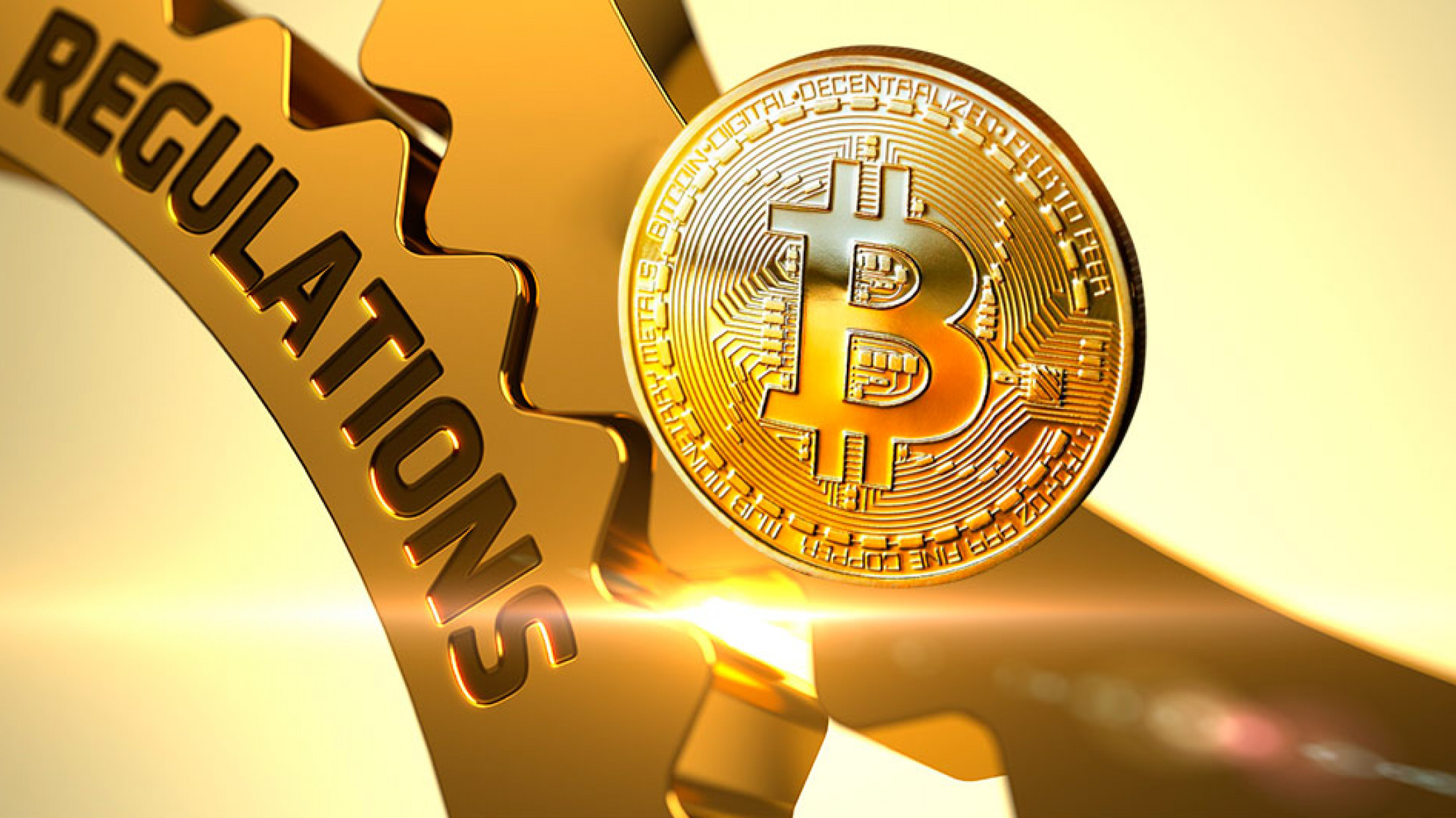
 China’s stringent regulations on cryptocurrency mining and trade have transformed the global mining landscape. Mining operations now span across countries such as the United States, Kazakhstan, and Russia. On the other hand, El Salvador’s historic choice to make Bitcoin legal tender is a bold experiment in national crypto acceptance that has earned both praise and skepticism around the world. Crypto stakeholders need to know about these small differences in the rules. Changes in policy news not only affect trading decisions, but they also show that institutions may be more likely to adapt and integrate with traditional finance.
 Many mining companies also want to use renewable energy sources now, which iMany mining companies are now focusing on practices that are better for the environment. Companies like Tesla have occasionally changed public perception of the market by linking crypto investments to their commitments to environmental sustainability. This shows how important it is to find a balance between innovation and environmental responsibility.